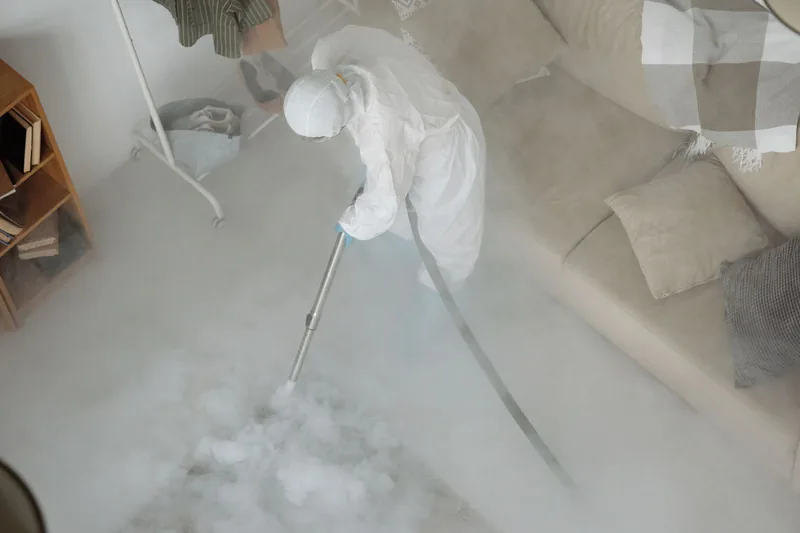
Biohazard Decontamination
Rooms, surfaces and air receive complete decontamination following infectious or hazardous exposure.
See biohazard decontaminationGet blood, bodily fluids and other infectious material removed from your home, business or vehicle. The affected area is contained, cleaned and disinfected, and contaminated waste is taken for proper disposal.
Biohazard cleanup means carefully controlling and removing blood, bodily fluids or other matter that could contain harmful microorganisms, then cleaning and disinfecting the affected surfaces.
A biohazard can be present after a death, injury, crime scene, sewage backup, infectious illness or severe hoarding situation. Cleanup can be needed in a house, apartment, workplace, hotel, vehicle or outdoor area. The goal is to find the full affected area, remove contamination that cannot be cleaned, disinfect surfaces that can remain and protect the surrounding areas while the work is underway.
Unlike routine house cleaning, biohazard cleaning uses trained technicians, personal protective equipment and a controlled work area. Products are matched to the contamination, and every EPA-registered disinfectant is given its full labeled contact time. Contaminated waste does not belong loose in household trash. It is packaged, labeled and moved as state rules require.
Photos, the work scope, invoices and available disposal records can be organized for your insurance claim and property file.
You can help evaluate personal property if conditions permit. Valuable belongings are set apart for safe return, specialized attention or cleaning.
You receive an explanation of affected materials, items that can be kept, necessary removals and proposed cleanup steps before work begins.
Discretion protects your privacy during the work. Using unmarked vehicles, crews arrive discreetly and limit access to the affected area.
You may need biohazard cleanup when attempting normal cleaning would risk contact with bloodborne pathogens, contamination or infectious material. Typical situations include:
Blood can travel into floor seams, grout, carpet pad and nearby belongings. Treatment covers the affected area completely because a biohazard cleaner examines more than the visible stain.
Once property release comes from the medical examiner or local law enforcement, damaged materials, bodily fluids, lasting odor and remaining belongings may be addressed through death cleanup.
The site must be released before crime scene cleaning may start. It can cover surface disinfection and odor control, plus blood cleanup, waste disposal and fingerprint powder removal.
For an illness exposure, a focused plan may address shared spaces, frequently touched surfaces and related items with disinfectant appropriate for both the organism and material.
Prevent anyone from touching the biohazard, and stop contamination from traveling beyond the affected space. As you arrange professional cleanup, take the following steps:
Call (888) 440-9227Work may be limited to one hard surface, or fluids may have soaked into several rooms, so published cost guides cover a broad range. The residential average in Yelp Costs starts at $1,800 and goes to $4,500. Fixr puts the typical national range at $3,000 to $5,000 and its full published span at $1,500 through $25,000. An assessment is possible only after identifying affected materials and disposal needs.
Published national cost guides are the source for these ranges, rather than an inspection of your property. An on-site assessment determines your property's price, which is explained to you before the cleanup starts.
Ask about cost: (888) 440-9227Insurance may pay for biohazard cleanup when the policy covers its cause. Coverage depends on the event and the policy's limits, deductible and exclusions.
Check with the insurance company about the records needed. A documented work scope, pictures, billing records and disposal paperwork can assist with the claim evaluation.
Responsibility can depend on where the event occurred, the lease, the cause and local rules. Property owners and tenants should alert insurers and document conditions before moving belongings.
Victims of violent crime can ask the Georgia Crime Victims Compensation Program, run by the Criminal Justice Coordinating Council, about crime scene cleanup. The program lists crime scene sanitization among eligible expenses. Insurance is usually checked first.
Tell your insurance company what happened, then ask whether coverage includes restoration, personal property, cleanup and damaged building components. Keep the claim number and adjuster contact details.
Planning begins with what the contaminant is, which materials came in contact with it and where it could have traveled. The steps control its spread as the space is prepared for safe use again.
Cleanup technicians inspect the affected and surrounding areas, identify porous and non-porous materials, document conditions and explain the proposed scope to you.
The work area is separated from clean rooms. Personal protective equipment is selected for the hazard, with air controls used when particles or smells could move beyond the work area.
Contaminated absorbent materials, such as carpeting, underlay, wallboard, insulation, mattresses or bare wood, may be removed and sealed in containers.
Visible soil is removed first because disinfectant works only when it can reach the surface. The finish determines which method and equipment are used.
Cleaned surfaces are treated with an EPA-registered disinfectant and kept wet for the full contact time printed on the product label.
Air treatment follows removal of the material causing the problem. The choice of HEPA air scrubbers or another odor method depends on occupancy, the room and materials that remain.
Workers label and package the waste for its required disposal method. Records can show which waste was taken away and where it went.
After cleanup, workers inspect the area where work occurred. You are told which areas were cleaned, which materials came out and whether any restoration remains necessary.
Call at any time. Your biohazard cleanup specialist answers the phone, describes what happens next and works with you on a start time.
Biohazards can be unsafe because infectious material, sharps and contamination beneath visible surfaces may be present. A quick surface wipe does not necessarily remove those risks.
The task of cleaning after suicide, death or a severe injury may cause deep distress. Cleanup workers use protective equipment, so you do not have to see the affected area while the work is completed.
Fluids may seep beneath molding, through carpet, between subfloor seams and behind finished wall surfaces. What you can see may not reveal the full affected area.
Blood may carry hepatitis B, hepatitis C or HIV. Hepatitis B can persist on surfaces for at least seven days, the CDC says, making proper cleaning and disinfection important even after blood dries.
Can you clean it yourself? Wearing disposable gloves, you may address a very small amount spilled on sealed, non-porous material by applying an EPA-registered disinfectant for every minute of label contact time. Do not begin cleanup if contamination spread into furniture, drywall, wood or carpet, if there are sharps, or if its full extent is unclear.
How long biohazard cleaning takes depends on the affected area's extent, the materials and whether contamination stayed on top or went underneath. A minor hard-surface job might be completed during one work visit. Work involving multiple rooms, structural removal or lasting odor can take several visits, with restoration afterward.
| Scene | Typical time on site |
|---|---|
| Small surface area | Inspection, cleaning and disinfecting may all occur during a single visit |
| One room with porous materials | More than one visit may be required for removal, cleanup and odor treatment |
| Several rooms or structural contamination | Cleanup and restoration are planned in separate stages |
Odor removal begins by finding and removing the source. Fragrance, paint or surface spray cannot correct fluids trapped in carpet pad, subfloor, wall cavities, furniture or nearby contents. Those areas must be inspected before an air treatment is chosen.
After cleaning is complete and the odor source has been removed, airborne particles can be captured with HEPA air scrubbers. Remaining smells may call for hydroxyl treatment, another method or ozone in a vacant, controlled area. Material, occupancy and site conditions determine the choice. HVAC vents and return openings are examined when circulating air could have carried odor to adjacent spaces.
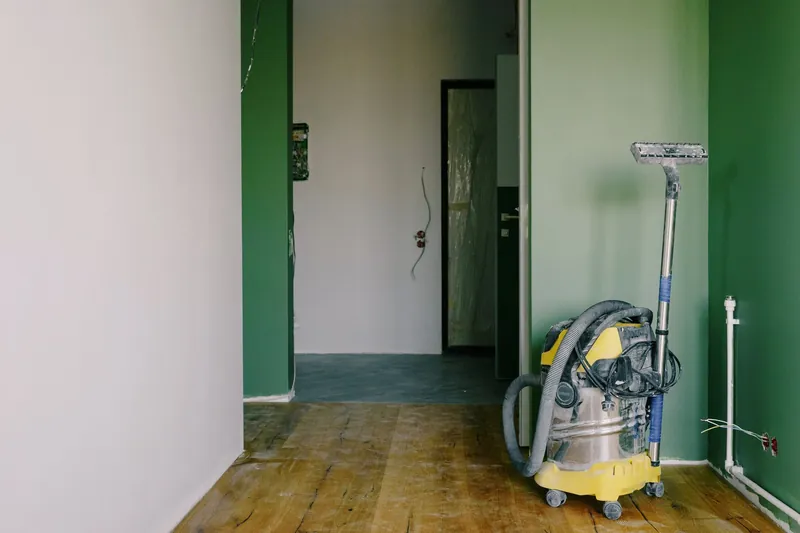
Under the OSHA Bloodborne Pathogens Standard, 29 CFR 1910.1030, potential blood exposure requires protective equipment, exposure controls, training and related work procedures.
A disinfectant must be suitable for the target organism and surface. You must follow the product label for mixing, initial cleaning, safety precautions and full contact time.
Georgia treats soaked materials from a biohazard scene as biomedical waste. Georgia Environmental Protection Division solid waste rules control how it is handled, transported and treated, so it cannot go in household trash.
Georgia uses a mixed system. Elected county coroners lead local death investigations, and the state Medical Examiner or Coroner's Office within the Georgia Bureau of Investigation performs forensic autopsies. Cleanup starts after police or the medical examiner or coroner release the scene.
The full biohazard cleanup guide covers what is cleaned or removed, odor and air quality work, and the rules that apply in Georgia and Fulton County.
Read the full biohazard cleanup guide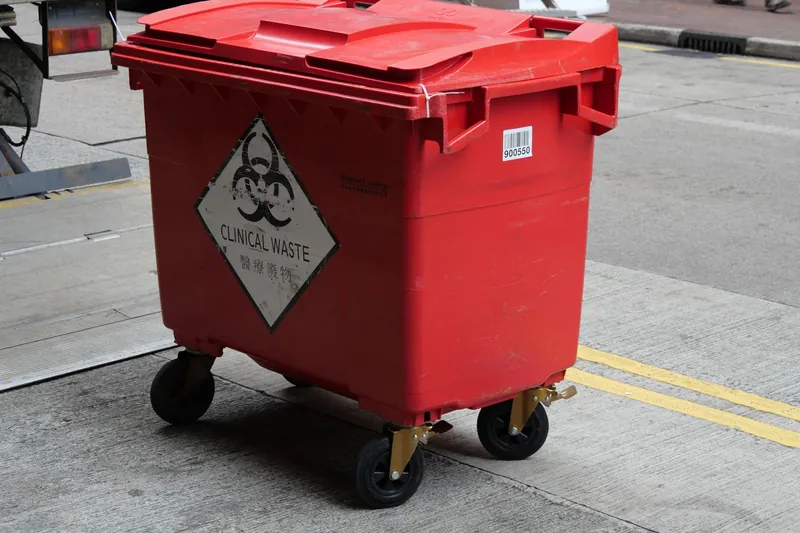
Local housing, population and access details can shape containment, access and cleanup planning.
The approximately 3.1 mile trip to Emory University Hospital Midtown matters when an injury must be assessed before anyone returns to the affected space.
With Ellsworth Park, Atlantic Station, and Brookwood close by, accurate street and unit details help avoid confusion during a sensitive response.
The neighborhood setting makes privacy especially important when equipment must pass through sidewalks, lobbies, or other visible common areas.
Your phone conversation can include questions about service in nearby ZIP codes and communities.
Rooms, surfaces and air receive complete decontamination following infectious or hazardous exposure.
See biohazard decontamination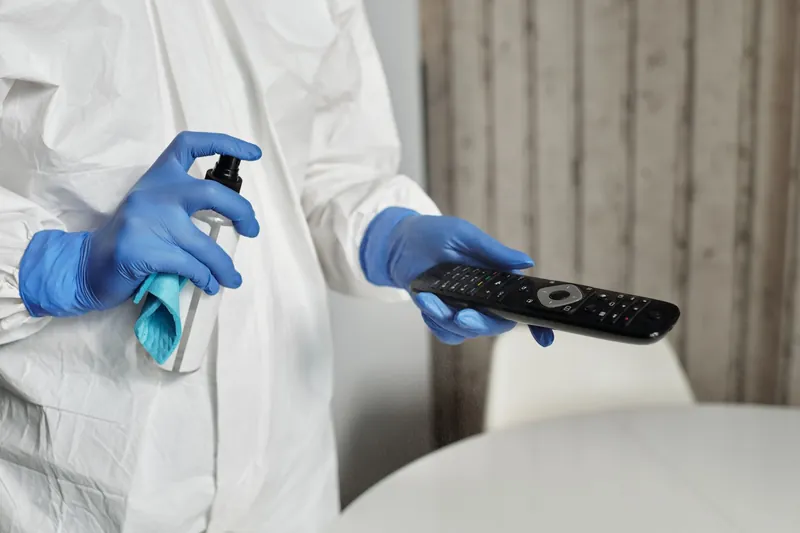
Biological remediation removes contamination so the space can be safely used again.
See biohazard remediation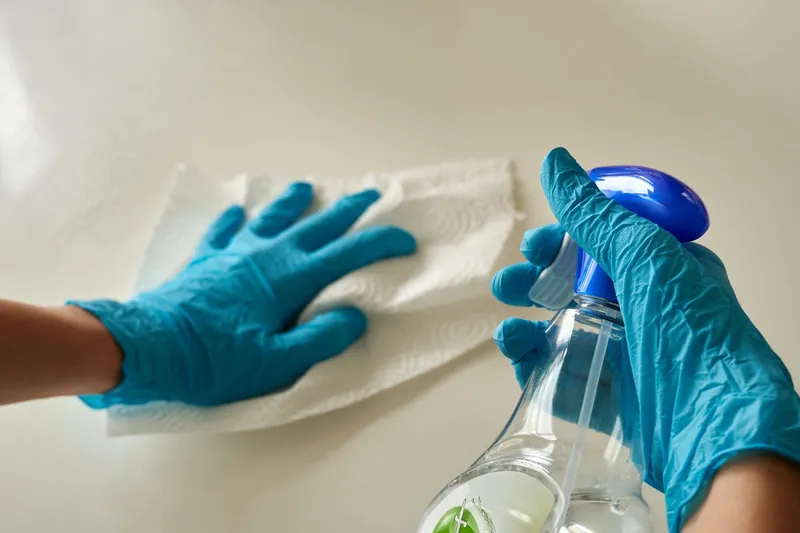
Blood cleanup on carpet, hard floors, walls and furniture with safe disposal.
See blood cleanup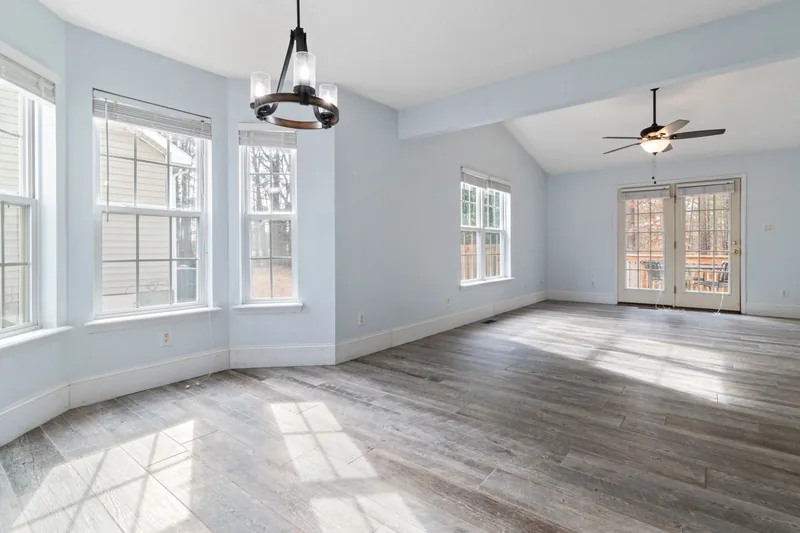
When a death remains undiscovered for days, cleanup addresses decomposition and controls odors.
See unattended death cleanup
Trauma scene cleanup is needed after violent events, accidents and injuries.
See trauma scene cleanup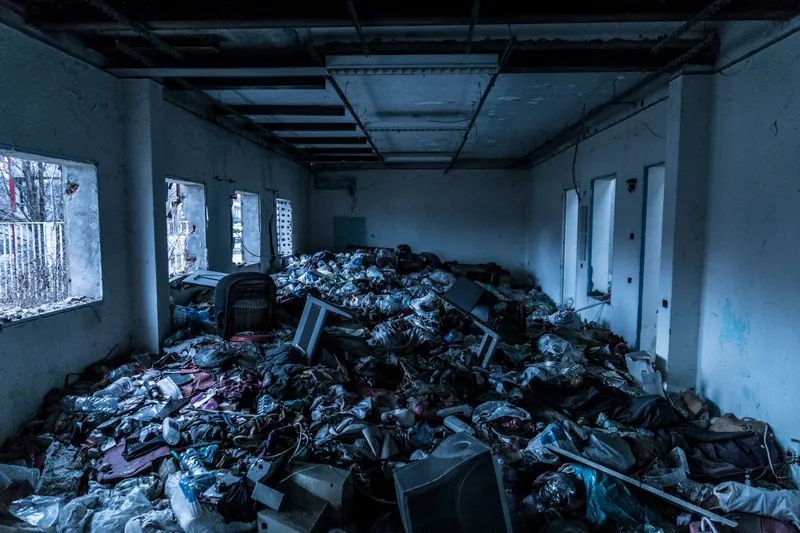
Hoarding cleanup combines respectful sorting, removal and deep cleaning.
See hoarding cleanup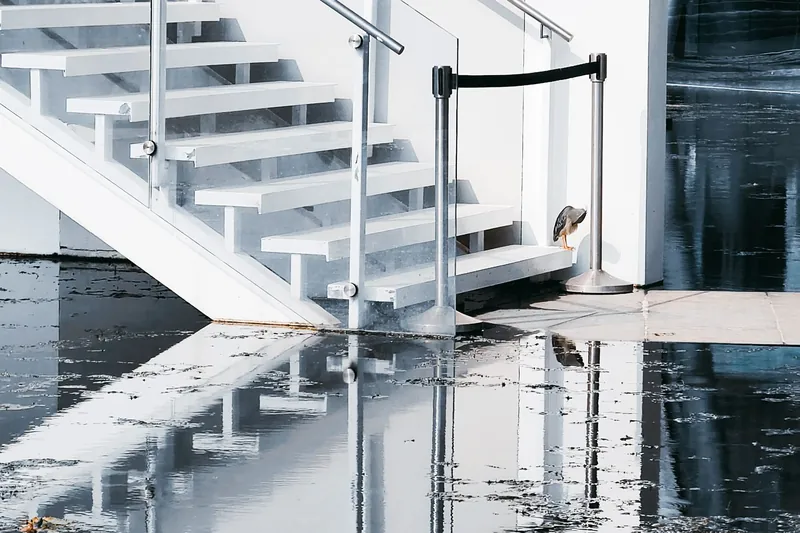
Disinfection and drying follow sewage cleanup of Category 3 black water from raw sewage.
See raw sewage cleanup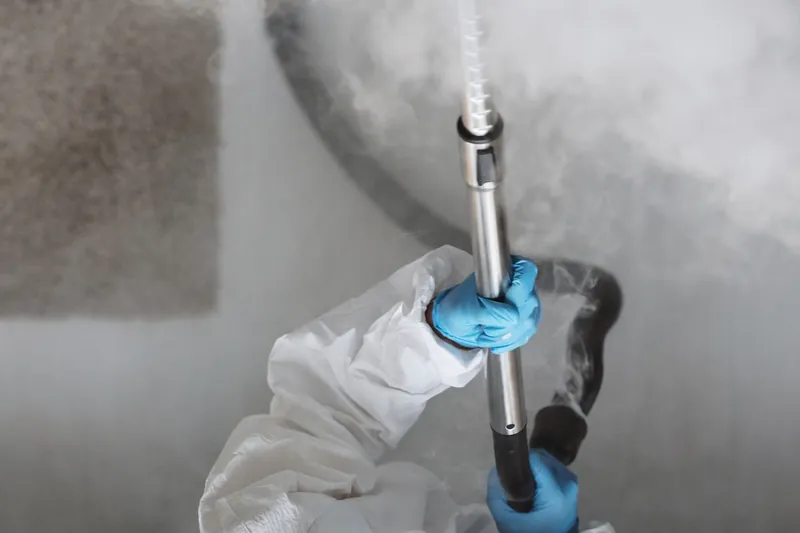
Disinfection for infectious disease uses EPA-registered products with complete coverage of surfaces.
See infectious disease disinfectionA biohazard is biological material that may threaten human health. Examples found on properties can include sewage, used needles, human waste, blood, bodily fluids and items contaminated through particular infectious illness exposures. What is present, how far contamination traveled and whether porous items absorbed it all affect risk.
Yes, removal of the material causing the smell is the essential first step. Cleanup may require taking out contaminated carpet, pad, drywall, furniture or other porous material before treating the air. After disinfection and cleaning, workers may inspect nearby vents and use a suitable odor method, including HEPA air filtration, for any smell that remains.
Biohazard cleaning is a controlled process for removing visible contamination, taking out materials that cannot be disinfected, cleaning remaining surfaces and applying a suitable disinfectant for its full contact time. It also includes safe packaging and disposal of contaminated waste, plus odor work when the source has affected the air or porous materials.
Published figures vary widely with the material, area and depth of contamination. A typical nationwide range reported by Fixr is $3,000 to $5,000. An average residential range from Yelp Costs is $1,800 to $4,500. An on-site evaluation determines the porous items affected, amount of waste and extent of odor treatment.
When cleaners can access every affected side, sealed non-porous furniture may remain after cleaning and disinfection. If bodily fluids penetrate the cushion material or frame, upholstered furniture may have to be removed. Important personal items are reviewed with you when conditions allow, so washable or restorable belongings can be separated from contaminated waste.
You may be able to clean a few fresh drops from an undamaged non-porous surface by wearing disposable gloves and following an EPA-registered disinfectant label exactly. Do not clean if bodily fluids entered furniture, walls, wood or carpet, if sharps are involved, or if you cannot identify the entire affected area.
Respectful, discreet biohazard cleanup is available 24 hours a day, and crews arrive in unmarked vehicles.